Human Rights and Mental Health: Why Everyone Is Impacted
Human rights are the basic freedoms and protections that belong to every person, regardless of who they are or where they live. They are the foundation for a safe, fair, and just society. These rights include the freedom to live safely, access education and healthcare, participate in community life, and make choices about one’s own body and mind.
While human rights are universal, they are not always guaranteed. Around the world, political instability, discrimination, poverty, and social inequities can threaten these rights. When basic human rights are restricted or denied, the effects ripple through society—and mental health is often one of the many areas impacted.
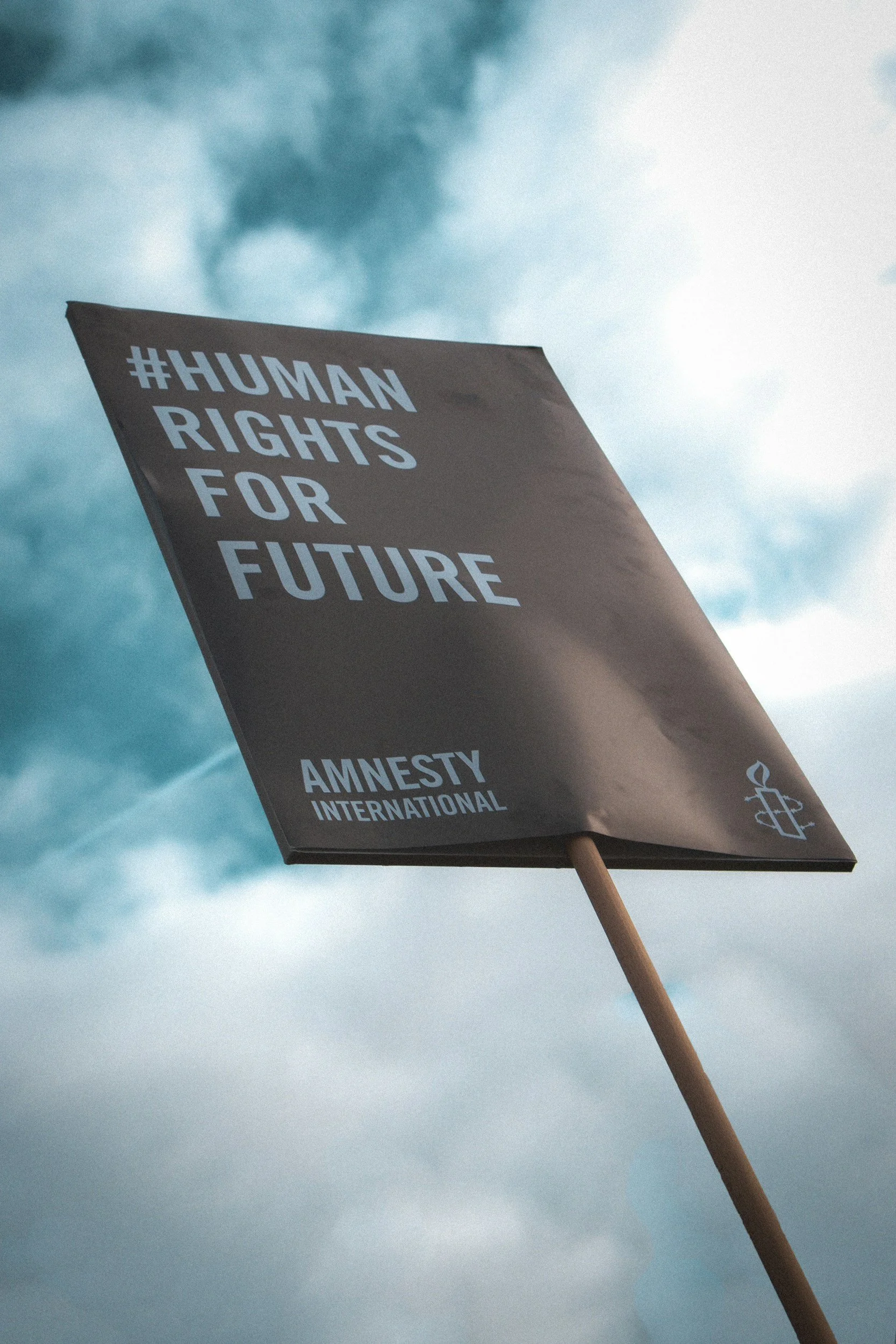
How Threatened Human Rights Affect Mental Health
When human rights are compromised, people may experience heightened stress, anxiety, depression, or trauma. Some of the ways mental health is affected include:
Chronic stress and fear: Living under threat or oppression creates constant uncertainty, which can trigger anxiety, sleep disturbances, and physical health issues.
Social exclusion and discrimination: Being denied participation in education, employment, or community life can lead to feelings of isolation, low self-esteem, and hopelessness.
Trauma from violence or injustice: Exposure to human rights violations, including abuse, exploitation, or systemic injustice, can result in long-lasting trauma and emotional distress.
Barriers to care: In some contexts, individuals are unable to access mental health services due to lack of availability, stigma, or legal restrictions.
These challenges highlight the deep connection between societal conditions and personal well-being. Mental health is not only shaped by biology or individual circumstances but also by the environment and the freedoms people are afforded.
Why This Matters for Everyone
When human rights are threatened, it is not only those directly affected who feel the impact. Communities, economies, and social systems all suffer when people cannot access basic protections or live without dignity. Mental health consequences, social unrest, and loss of potential affect the collective well-being.
Ensuring human rights and protecting mental health are therefore responsibilities for all of us. By fostering equity, justice, and respect for human rights, society benefits broadly. Everyone gains from communities that are safer, more inclusive, and resilient. Recognizing the connection between rights and mental health reminds us that supporting justice and mental wellness is not optional—it is essential for a thriving society.
Takeaways for Everyday Life
While systemic change is essential, there are small ways to support human rights in daily life. While these apply to anyone who wants to take these steps they are especially impactful when coming from someone who holds a position of privilege — someone whose rights are not being threatened.
Challenge oppression, discrimination, and stigmatization in your personal and professional circles.
Advocate for equitable policies in your community.
Support organizations that provide accessible care.
Listen, validate, and learn from the experiences of people with different levels of privilege than you.
Every action contributes to a culture that respects fundamental human rights.
Disclaimer: The information provided in this article is for informational purposes only and should not be considered a substitute for professional advice. If you require assistance or are experiencing mental health concerns, please seek guidance from a qualified mental health professional.
Embrace life transitions, discover purpose, and navigate change with the support of Ineo Counseling.
